What Are AI Stock Photos? A 2026 Guide to Safe Commercial Use
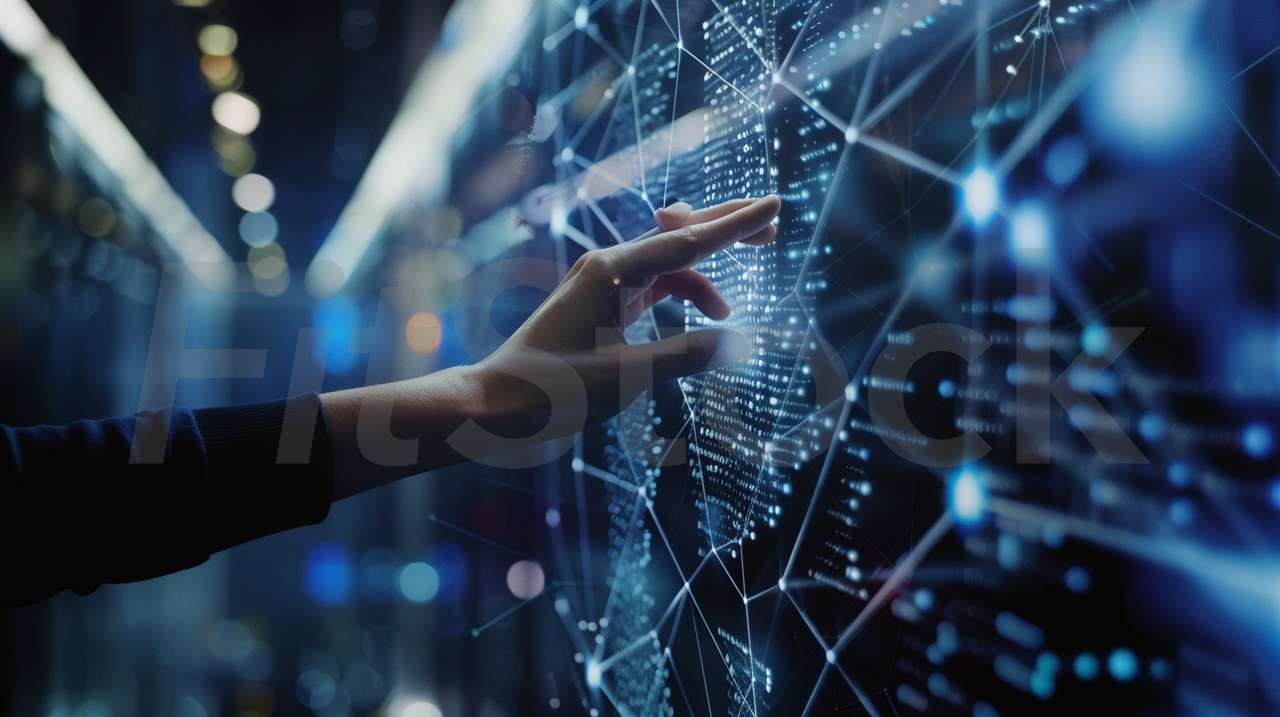
Ad banners, social posts, blog thumbnails, slide decks — anywhere you need a visual, you're now likely to run into "AI stock photos". At the same time, many people feel unsure: is it safe to use them commercially, and what happens with copyright? This article covers the basics of AI stock photos and how to use them safely as of 2026.
What are AI stock photos?
AI stock photos are photo-style visual assets created by an image-generation AI. Rather than capturing a real person or place, a trained model generates a new image from a text prompt or similar input. They now cover the same broad range as traditional stock — people, landscapes, business scenes, food, and more.
How they differ from traditional stock
Traditional stock is a model where photographers license the photos they shoot. AI assets, by contrast, are generated without a shoot. That difference produces a few notable traits:
- The subject isn't real: because the people don't exist, portrait-rights and model-release issues rarely arise.
- Flexible variation: it's easy to produce many images with different compositions and moods for the same theme.
- No shooting cost: which tends to make them more affordable.
How does copyright work for AI images?
This is probably the biggest concern. Under the current mainstream view, purely AI-generated content — where meaningful human creative input is lacking — tends not to attract copyright. "No one holds a strong copyright" sounds like a downside, but from a user's perspective it's the flip side of a real benefit: the rights situation is simple and clean to work with.
That doesn't mean "anything goes", though. Whether you can actually use an image commercially is determined not by the copyright of the asset itself, but by the provider's terms of use (the license). If the service allows commercial use, you're fine; if it prohibits it, you're not.
Three keys to safe commercial use
1. Check the provider's terms
Confirm whether commercial use is allowed, whether editing is permitted, and whether attribution is required. This is the same as with traditional stock — being AI-generated doesn't change it.
2. Watch for existing rights in the image
Even AI images can include elements that closely resemble real brand logos or well-known characters. Before commercial use, visually check that there's no obvious trademark or clear similarity to someone else's work.
3. Handle AI disclosure per use case
Depending on the platform or medium, you may be required to disclose that content is AI-generated. Check advertising rules and platform policies, and add labeling where appropriate.
When AI stock is (and isn't) a good fit
| Good fit | Consider carefully |
|---|---|
| Blog thumbnails, social posts, deck illustrations | Journalism or documentary work where factual accuracy matters |
| Visuals that convey a concept or mood | Cases that must show a specific real person or place |
| Commercial work where you want to avoid portrait-rights risk | Hero visuals where brand originality is paramount |
Summary
AI stock photos offer clear advantages: low portrait-rights risk, a simple rights situation, and low cost. The key to using them safely is to check "the provider's terms", not "the copyright of the asset". At FitStock, every image is AI-generated and clearly allowed for commercial use and editing, with no attribution required. Decide whether it fits your use case, and put AI stock to work.