Copyright-Free vs Royalty-Free vs Free Stock: What's the Difference?
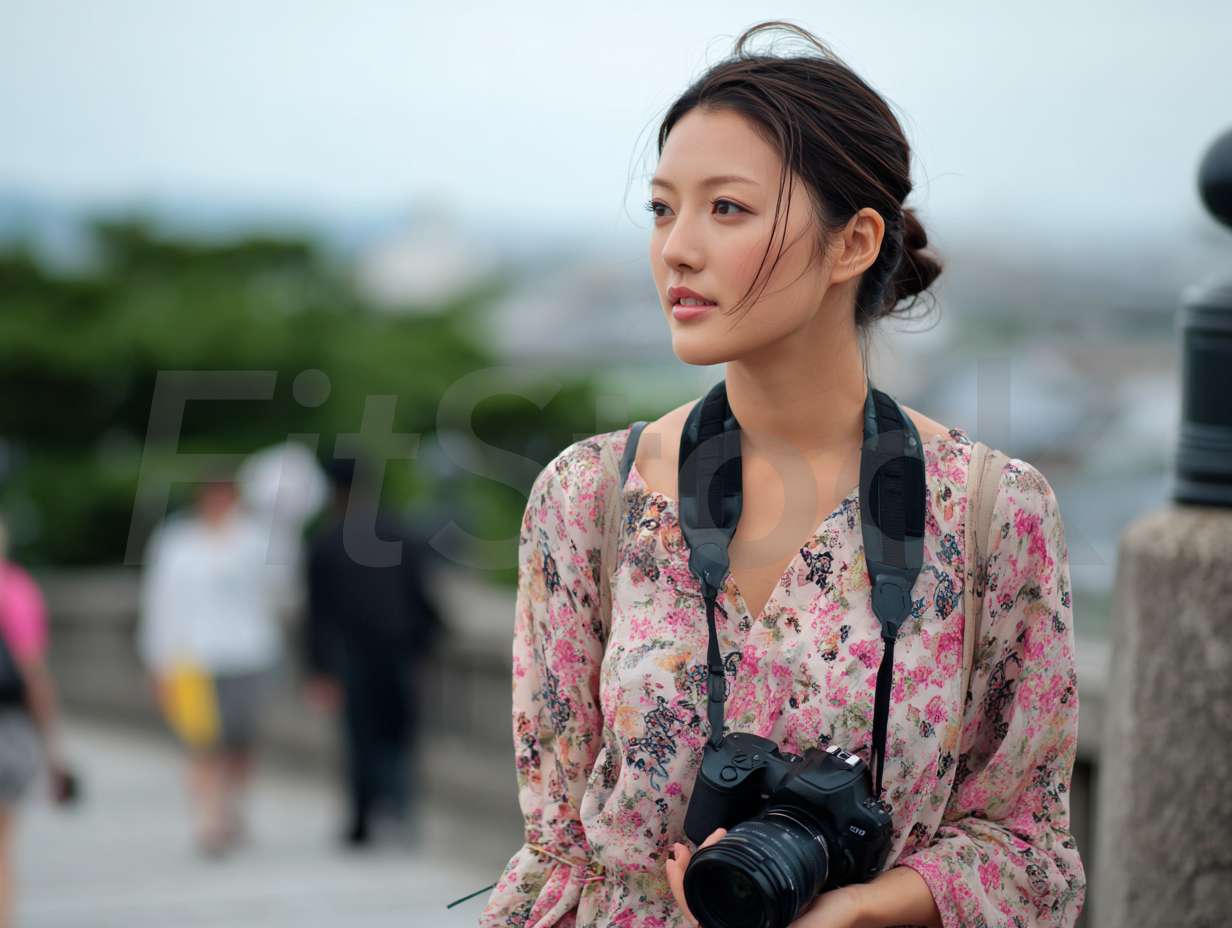
When you search for images, you'll run into terms like "copyright-free", "royalty-free" and "free stock". They all suggest you can use the image freely, but what each one actually means is very different. Mixing them up can lead to accidentally breaking a license. This article breaks down the three terms and gives you a simple checklist for using images safely.
What "copyright-free" means
Strictly speaking, "copyright-free" means an image has no copyright protection at all — either the protection period has expired (public domain) or the creator has waived their rights (for example, a CC0 / Creative Commons Zero release). In those cases you can generally use, modify and even redistribute the image without paying or crediting anyone.
The catch is that truly copyright-free images are relatively rare. Many sites use "copyright-free" loosely to mean "free to use within our terms", which is not the same thing. Don't rely on the wording alone — check what the provider actually means.
What "royalty-free" means
"Royalty-free" describes a licensing model where you don't pay a recurring fee (a royalty) each time you use the image. The key point: royalty-free does not mean free of charge. Usually you pay once, or subscribe, and then you can use the asset without per-use limits.
Royalty-free images are still protected by copyright, and your usage is defined by the license terms. Common restrictions include no redistribution, no resale, and no use in adult or defamatory contexts. A low price doesn't mean "anything goes".
What "free stock" means
"Free stock" is the vaguest term of the three. It generally means "free to use within the site's terms", but every site writes its own rules, so what's actually allowed varies widely. Some require attribution, some ban commercial use, and some forbid editing.
Free stock is not the same as copyright-free. Even when an image is given away for free, the creator usually still holds the copyright, and you're bound by the terms of use.
The three terms at a glance
| Term | Cost | Copyright | Typical restrictions |
|---|---|---|---|
| Copyright-free (CC0 / public domain) | Free | None / waived | Usually none (no attribution) |
| Royalty-free | Often paid (one-time or subscription) | Held by creator | No redistribution / resale, etc. |
| Free stock | Usually free | Held by creator | Depends on the site's terms (attribution, commercial use, etc.) |
Where do AI-generated images fit?
AI-generated images, which have grown quickly in recent years, don't fit neatly into any of these three buckets. Under the current mainstream view, purely AI-generated content — where meaningful human authorship is lacking — tends not to attract copyright. Because there's no strong copyright on the asset itself, it can actually be cleaner and simpler for users to work with.
That said, whether you can use it commercially is determined not by the copyright status of the image, but by the provider's terms of use. Even with AI stock, always confirm commercial use, editing, and attribution rules.
A simple safety checklist
Instead of trusting the label, confirm these three things and you'll avoid most problems:
- Is commercial use allowed? (Some assets are personal-use only.)
- Is attribution required?
- Are editing and redistribution permitted?
At FitStock, every image is AI-generated and clearly allowed for commercial use and editing, with no attribution required. Once you understand the differences between these terms, you can confidently pick the right asset for your project.